The sad thing is they don’t really work, the fault is appearing in almost all the switch I made, I disassemble all of them
Yeah. Sadly, something like this should be designed from the factory, maybe with a weaker leaf, and new stems to actually fit the housing.
I think is the stem being too lose which wiggle enough to push the contact leaf
1 Like
Hoping y’all have room for one more nerd on this forum. here is my switch
Genmaicha
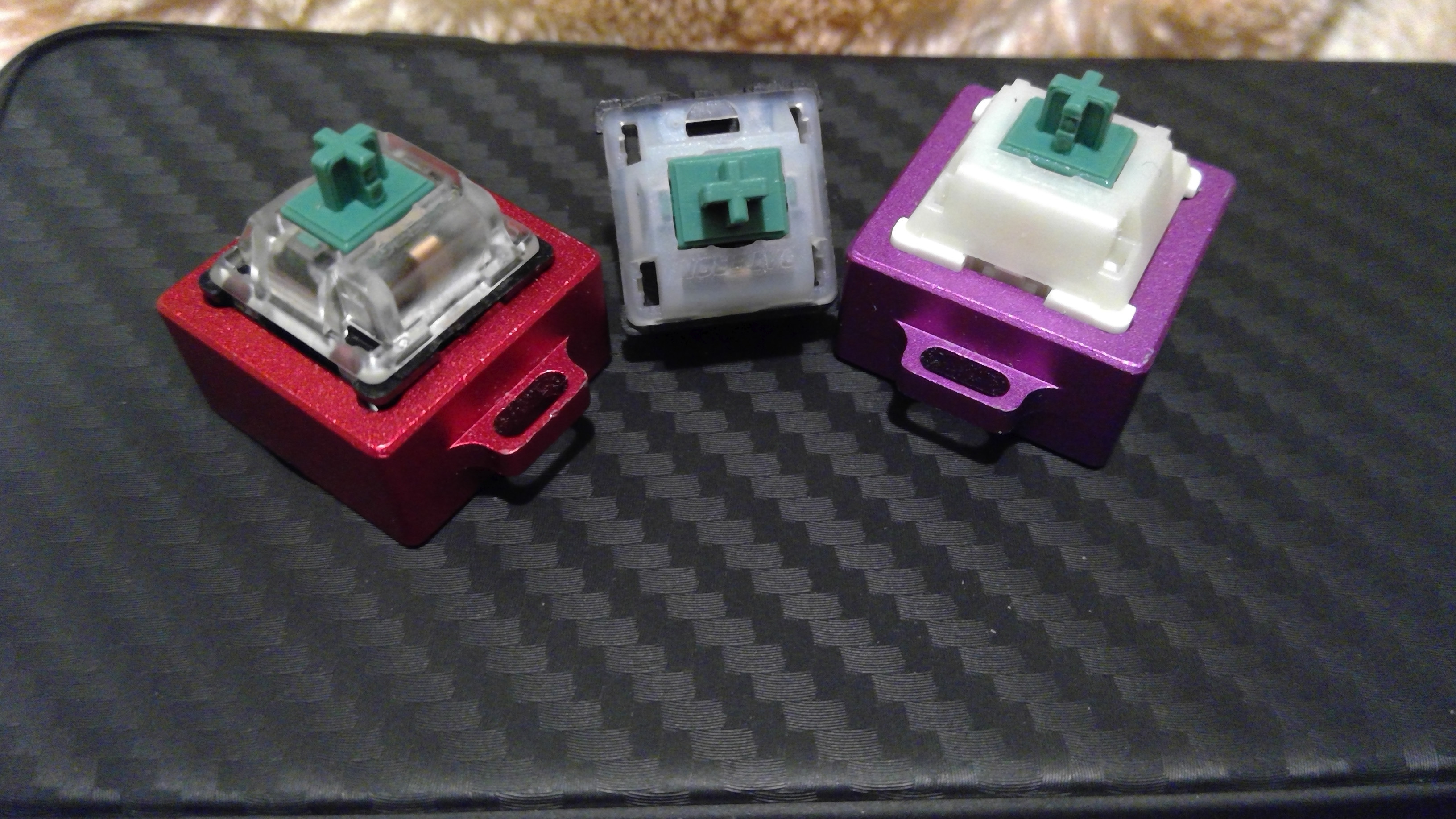
Switch Name: Genmaicha is a green tea with toasted rice, that brews a golden yellow color. Genmaicha - Wikipedia
Akko Cs Matcha Stem, Gateron Yellow Housing, Spring from either (both are great).
Total cost 40-50c depending on shipping.
Bottoms out like a Kailh stem, but you get a full 4mm travel (i think) virtually no stem wobble, super smooth, and a great poppy sound.
Also works with Opaque Boba Top
This is a top tier linear imo.
Sorry no sound test, maybe someone else with a good audio set up could make one.
Really wanted to name this one before anyone else had a chance lol (a bit pretentious i know, but hey, this is the internet)
We could also call them Rice Krispies. IDK. Hope you all like them.
I really enjoyed reading through this thread 
4 Likes
Welcome! We’ve got plenty of room for nerds.
I haven’t gotten to try the Akko switches or parts yet - good to know it joins the relatively small list of those compatible with Boba tops.
1 Like
I call mine Reverse Pandas, they use a black JWK housing, the top being polycarb, and the bottom being the unknown nylon blend. It uses a PME white tactile stem from a Tecsee Purple Panda from 1upKeyboards. This switches is pretty cheap, 70 for only $35 USD. It has a similar tactility of a holy panda, but less sharp and bottoms out very quick. The sound is high pitched, and is very smooth stock. It has a simple black and white look, and I really like that with my black KBD67 lite and my BoW key caps.
- Black JWK top and bottom housings
- White stem from a Tecsee purple panda
- 68g spring from the Tecsee Purple panda
PSA: the by-product switch is horrible. the PME housing is extremely scratchy with any other plastic, but the PME stem for some reason is smooth with Nylon and Polycarbonate.
4 Likes
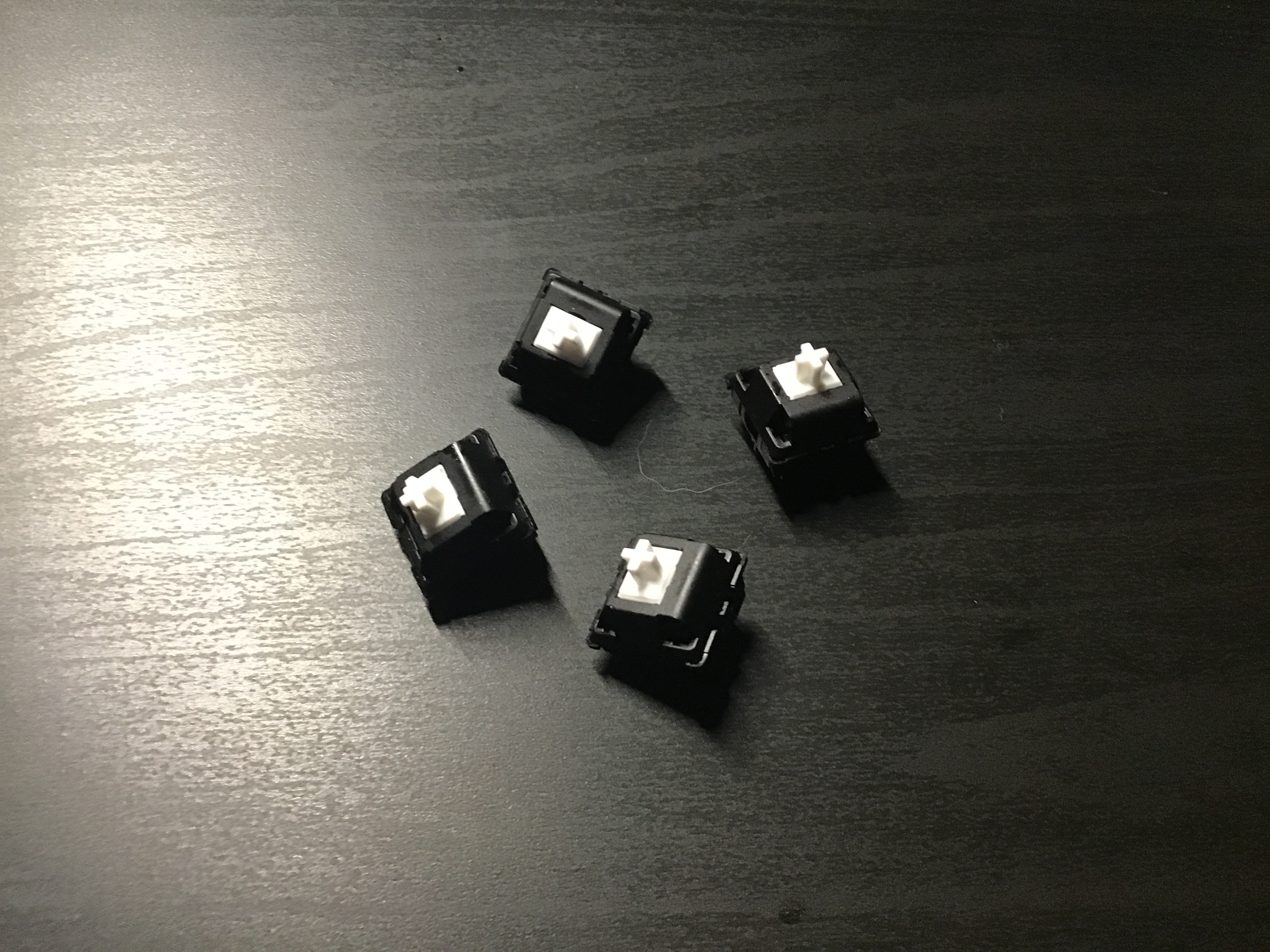
I am friends with gazzew, thinking of ordering soon. do you need the clears with slots or no slot?
2 Likes
I really appreciate it, but I have decided to go another way rather than kludge these two together. I have some U4Ts coming soon that I look forward to trying and I think I’ll use the Moyu stems in another RARA variant as I liked that combo before.
Thanks again!
2 Likes
@Bozs so … what happened in California?
AFAIK that little nub on top of most MX clicky switches is just to denote that it is a clicky switch. No actual function involved with the switch operating.
1 Like
So a deaf and colorblind person could tell it’s a clicky? How thoughtful of them. 
1 Like
maybe something they use in the factory for assembling the click jacket?
2 Likes
shh that’s too sensible
2 Likes
not sure, I didn’t press him on it.
1 Like
Dont have a good name for this switch, but its Boba Gum (Clear Top) housing with UHMWPE Linear Stems
I built this switch because the Boba Gum silent stems are mushy and have too short travel due to the thick damping pads. With 415Keys UHMWPE v3.1 linear stems, the switch is more interesting to me. To compare against Durock and Gateron Inks (all lubed with 205g0 and filmed)
- Typing experience- All three switches are about equally smooth, but BobaPE is more ‘direct’ than Durock and Gateron Ink linears. In comparison, the Gateron Inks have noticeable drag (for this reason, I prefer Tribosys 3203 lube for Gateron Inks).
- Bottom out- BobaPE has the softest bottom out, probably due to the UHMWPE stems being a bit softer than others. This makes the BobaPE a good linear switch to pair with custom keyboard that have stiff typing experience.
- Stem wobble- BobaPE has a bit more stem wobble than the others, doesn’t really bother me though.
- Sound- BobaPE is the quietest of the bunch because of the softer stems. Furthermore, the BobaPE doesn’t have a strong tonal character like Durock (medium-high pitch) and Gateron Ink (lower pitch). On the downside, BobaPE doesn’t sound as clean as Gateron Inks- with ears close to the keyboard, you can hear the stems moving down the housing. I think this is due to the Boba housing, which has a relatively strong ‘sliding’ sound. At normal typing distance, the sliding sound mostly disappears. Overall, I think this switch is better for office environment because its broadband sound blends into the background.
- Overall- I would recommend this switch if you are using a top mount / tray mount keyboard and want to slightly dampen the bottom out, or as an alternative to silent linear switches in an office environment (it wont be as quiet as a proper silent switch, but it wont sound very distracting).
Typing tests:
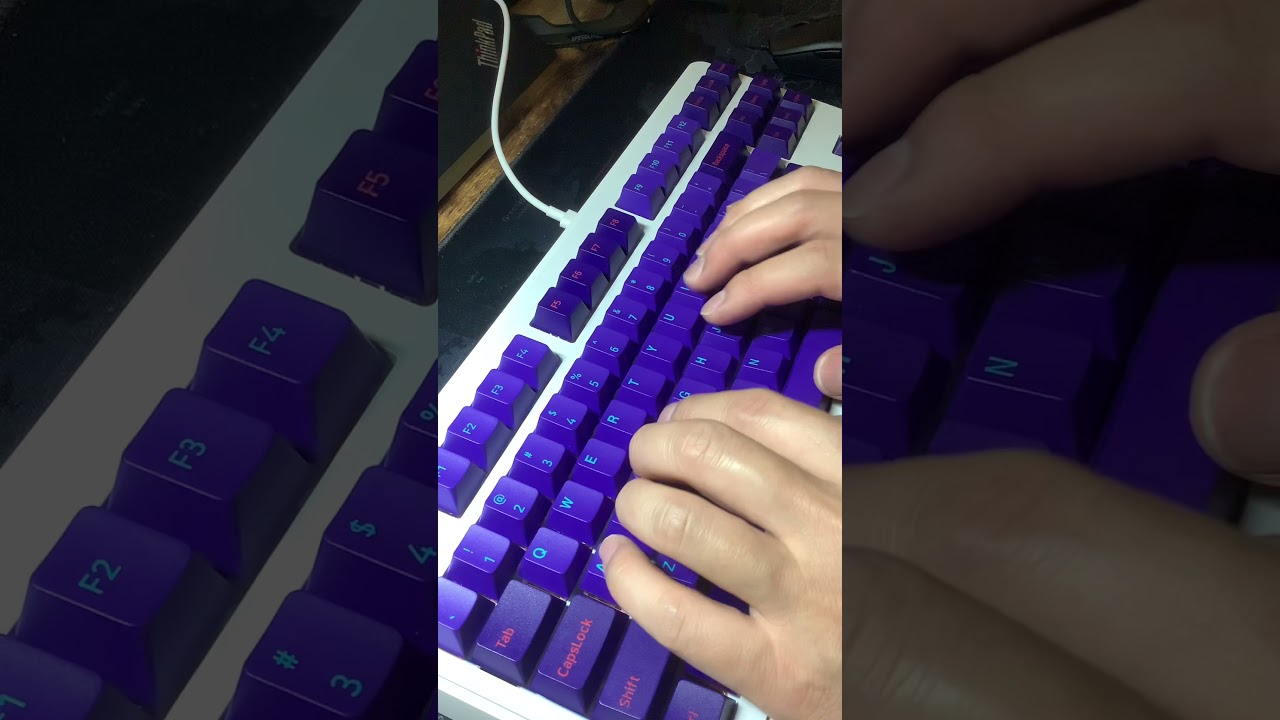
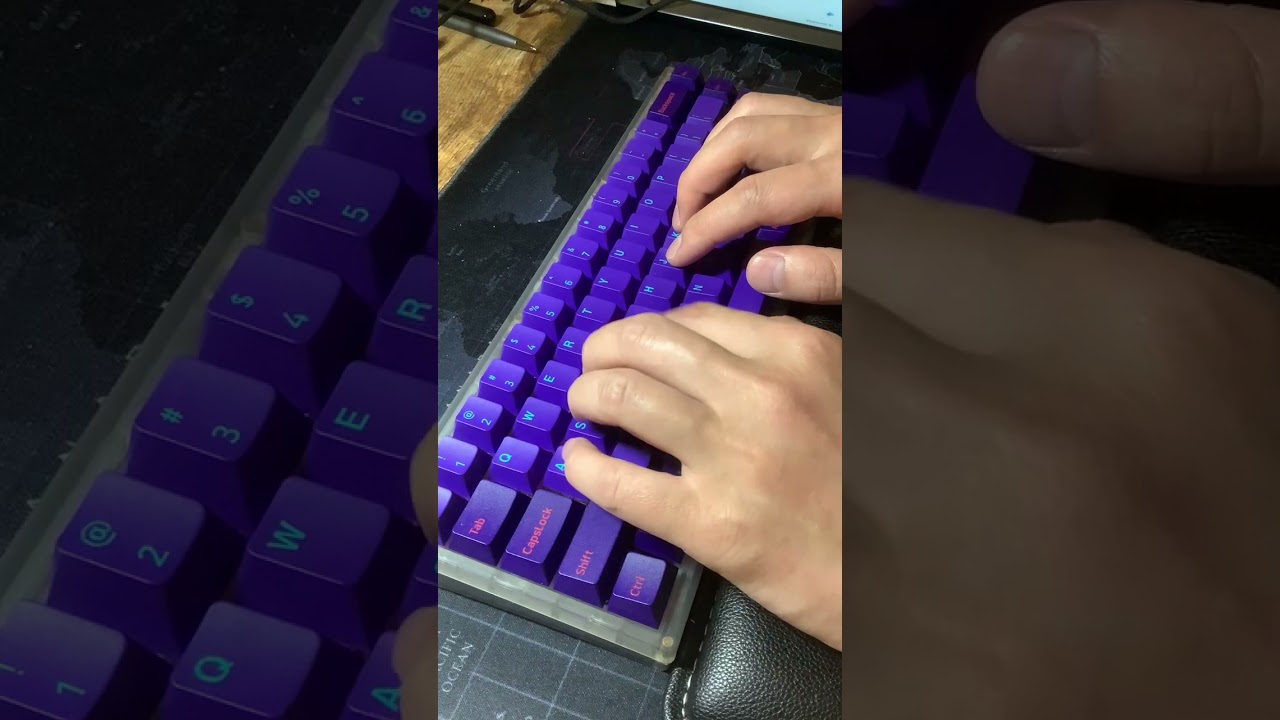
4 Likes
This is a very useful switch! I have some Bobagum samples on the way.
Maybe I should get some of these stems, they could be great for my KBD67 Lite.
2 Likes
This is not a useful switch, but I tried putting a TG3 rubber dome (“Copre”/“Raincoat mod”/“Foreskin” mod) over a Box Navy with the spring removed, and the tactility was completely insane:

Otherwise, I have my daily driver frankenswitch, which is a Cherry MX Clear stem and spring inside a Cherry MX blue housing. This ups the tactility a bit compared to stock MX Clears, but still has the steep ramp up in post-travel force to stop me from bottoming out, which is my favorite feature about MX Clears. It’s also an all-Cherry combo which is nice. Being Cherry I run these lubed and filmed obviously.

6 Likes
I hadn’t heard of that first mod - fascinating! I’m going to have to look that up. The second sounds like just the sort of thing I want in my collection. Thanks for sharing the graphs! It definitely helps illustrate the description.
On that note, do you mind me asking what sort of equipment you used to record the data? I’m interested in recording and sharing similar kinds of information but am only just beginning the search on what that entails.
1 Like
Thanks! I designed and built an open-source force curve a couple of weeks ago - the design files and descriptions are on Github here:
I also made a number of graphs of different switches, which is in the “Force curves” folder.
7 Likes