Your right the black stems would be impossible to see that. I think it showed up when I was trying cherry silent reds and boba u4s.
2 Likes
I tried 1 micron paste resulted in still scratchy switch (arguably better then stock but not much) the .5 micron is the better option of those 2. This lines up with DonPark’s notes above.
I am going to give 0.25 Microns a shot because Amazon is supporting this obsession with next day free shipping 
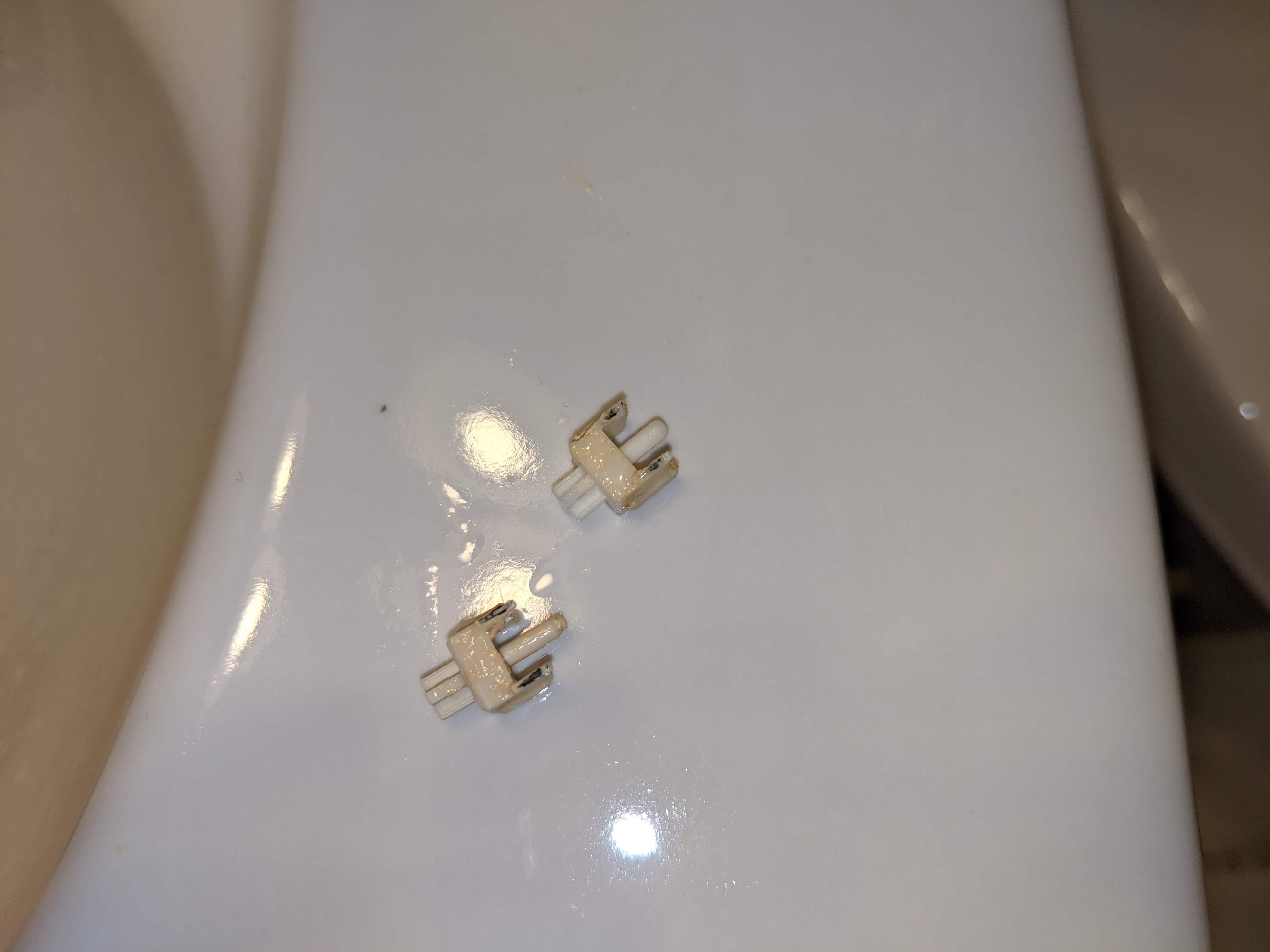
Attached is a blurry photo of the build up on the legs on a boba U4 stem and nk cream one (this present on the black stems but as noted above impossible to see). As long as it is cleaned up on the legs and leaves it is okay.
5 Likes
Fingers crossed. 
4 Likes
When y’all are cleaning them, are y’all using ultrasonic cleaners? or just rinsing with water/isopropyl?
1 Like
I cleaned with just water and toothbrush but, when a few switches had issues, I used isopropyl alcohol on their contact leaves.
Are you talking about those tg3 boards? I built my first board out of those and it was awful! But, recently I tried out the cherry top from one on another switch and it felt pretty smooth. Give it shot if you have any switches with an odd upstroke sound. Otherwise I could take some off your hands ;D
Yes, the tg3. I desoldered a few switches to test out a few years ago with different lubes, housings (including gat tops/bottoms/stems), and pretty much no matter what combo I used, if it had a cherry part in it, it felt worse off. The closest I came to a decent switch was a cherry stem entirely in a gat housing, but what’s the point of that. While the stem isn’t great, both parts of the housing was trash. The majority of the switches is locked up in an office that I haven’t been to since mid March, lol (I brought it in to desolder the switches using their iron as I didn’t have one at the time and left it under my desk for some reason). If this diamond paste business pans out, I might try it with them in the future.
1 Like
Okay, I have a possible idea to make this semi work easier for everyone.
Rock Tumblers.
Rock Tumbers?
Yes, ROCK TUMBLERS
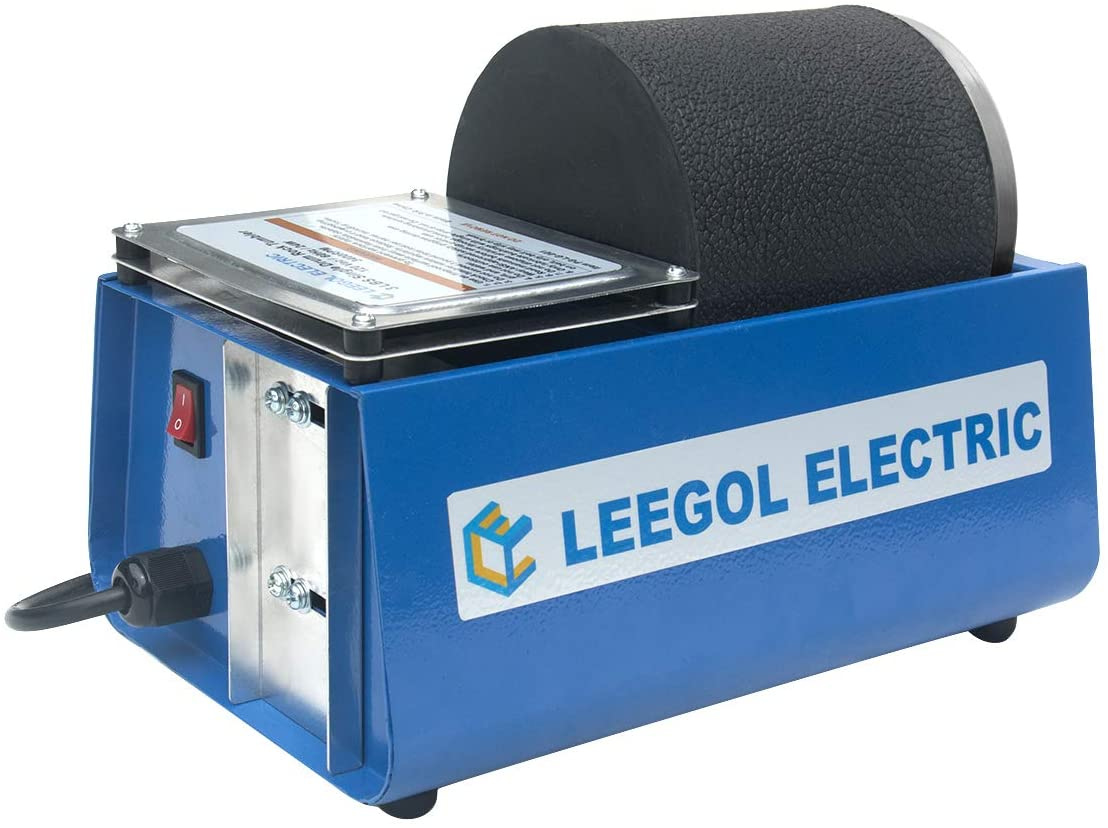
Throw your paste in. Throw your stems in, and let it tumble overnight or something. Adds randomness and even coverage.
If it can do THIS:
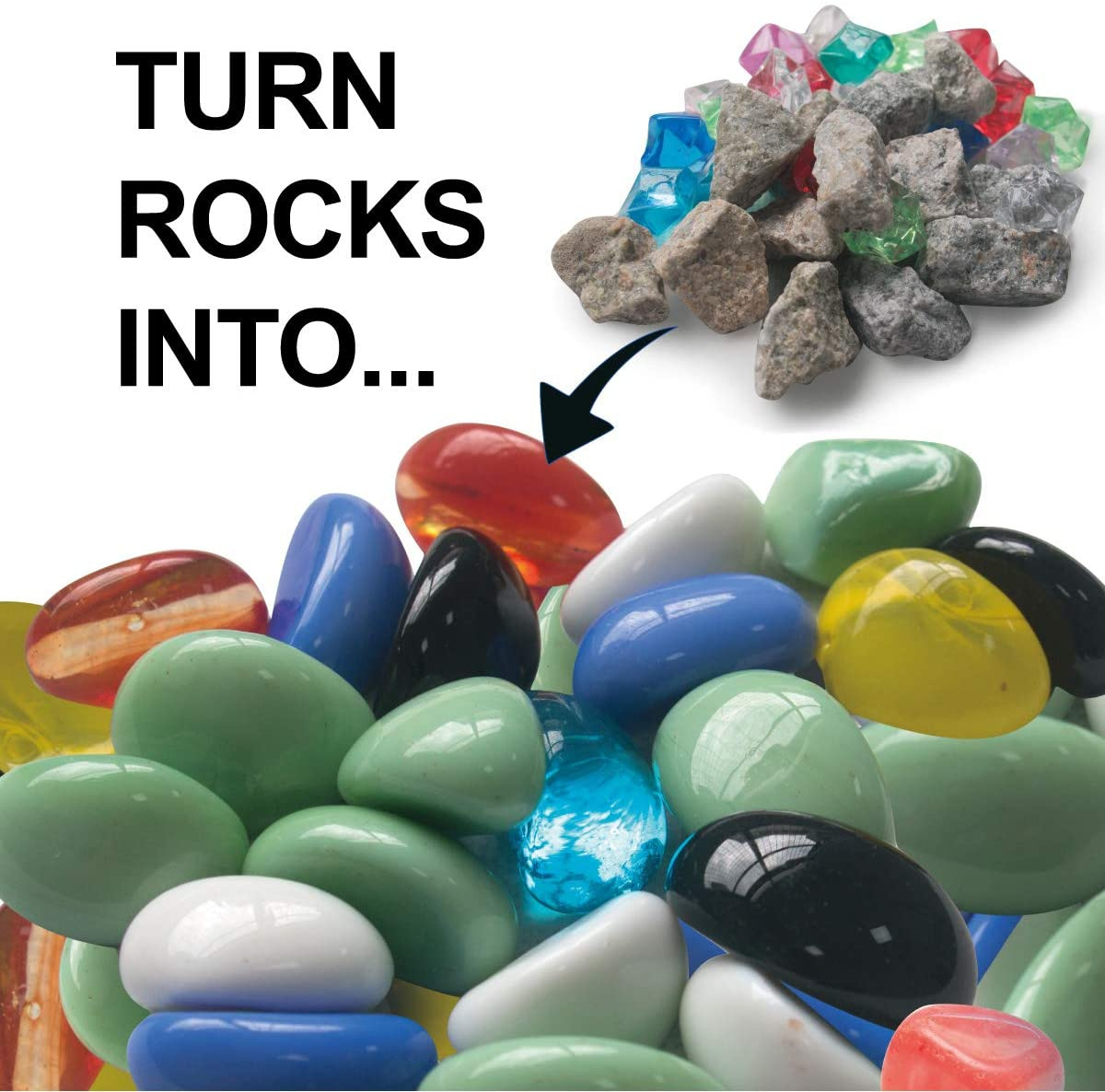
Imagine what it can do for our stems!..
Wait, maybe this isn’t the best idea…
Only downside is getting it all over the cruciform, but sometimes you have to make sacrifices for science.
I don’t know if this would actually work effectively for this application, but I have considered this as an alternative to bag lubing in the past.
9 Likes
Can I use it to turn my stems into shiny jellybeans?
5 Likes
Maybe we’ll find out if cherries taste like cherries after all
4 Likes
A lot of manufacturing is done through a tumbling method to smooth parts (thank you How It’s Made).
Stem smoothing could be done this way but the aggregate added to the tumbler would need to be just right (I am not sure the stems are heavy enough alone). The geometry of the stems is complex and tolerances are tight. You never know till you try!
1 Like
So I wonder, what does the cost analysis look like, when you factor time, materials, automation/tools, and risk of damaging components vs buying switches from zeal?..
Has any one tried throwing switch in a rock polisher/tumbler with really fine sand or used a bench buffing wheel?
1 Like
Even if the stems are tumble polished somehow, housing will be far more challenging. I’ve tried UHMWPE stem in stock retooled blacks and, while smoother, it still felt too scratchy to use.
1 Like
hmm, I would think, that the switch housing could be tumbled, but you might need to de-leaf it first. A fine enough sand should be able to get in and swash around.
I used to have a rock collection as a kid, and I loved putting gnarly chunks in the tumbler and pulling out gleaming smooth stones a bit later.
Along the same hypothetical train, I’m imagining a little cap that could protect the cruciform while the rest of the surfaces get polished.
And now I’m wondering if it would make any sense at all to make stems out of much harder material that could take a truly smooth surface polish without losing too much definition in its shape. Aw, yea bro just put in the new Actual Corundum stems! I think I might need stronger springs, tho…
1 Like
Speaking of polishing, I’ve been meaning to try acrylic gel nail polish that hardens using UV light. Application is easy enough and no need to remove. Unknowns are:
- Smoothness
- Durability
1 Like
Maybe tolerances too. Especially when needing to ensure an even application.
1 Like
(Sorry for the long reply trying to cover a lot.)
I am not sure how I feel about .25 Micron paste. The one I ordered was a 25% diamond concentration Amazon.com. It is very dense and doesn’t smooth out like the .5 Micron paste I was using. .5 Micron like peanut butter, .25 Micron like slightly dried out play-doh. I had to smoosh it with my hands applying it to the switch because the paint brush would just push it around but not adhere to the surface or the stem or housing. It also requires soap to clean out the switches which is more difficult (but it does come clean with soap and a brush). The reasons for this could be its old stock paste, different concentration, different binding paste materials etc. Smoothness wise it is pretty close to the .5 Micron.
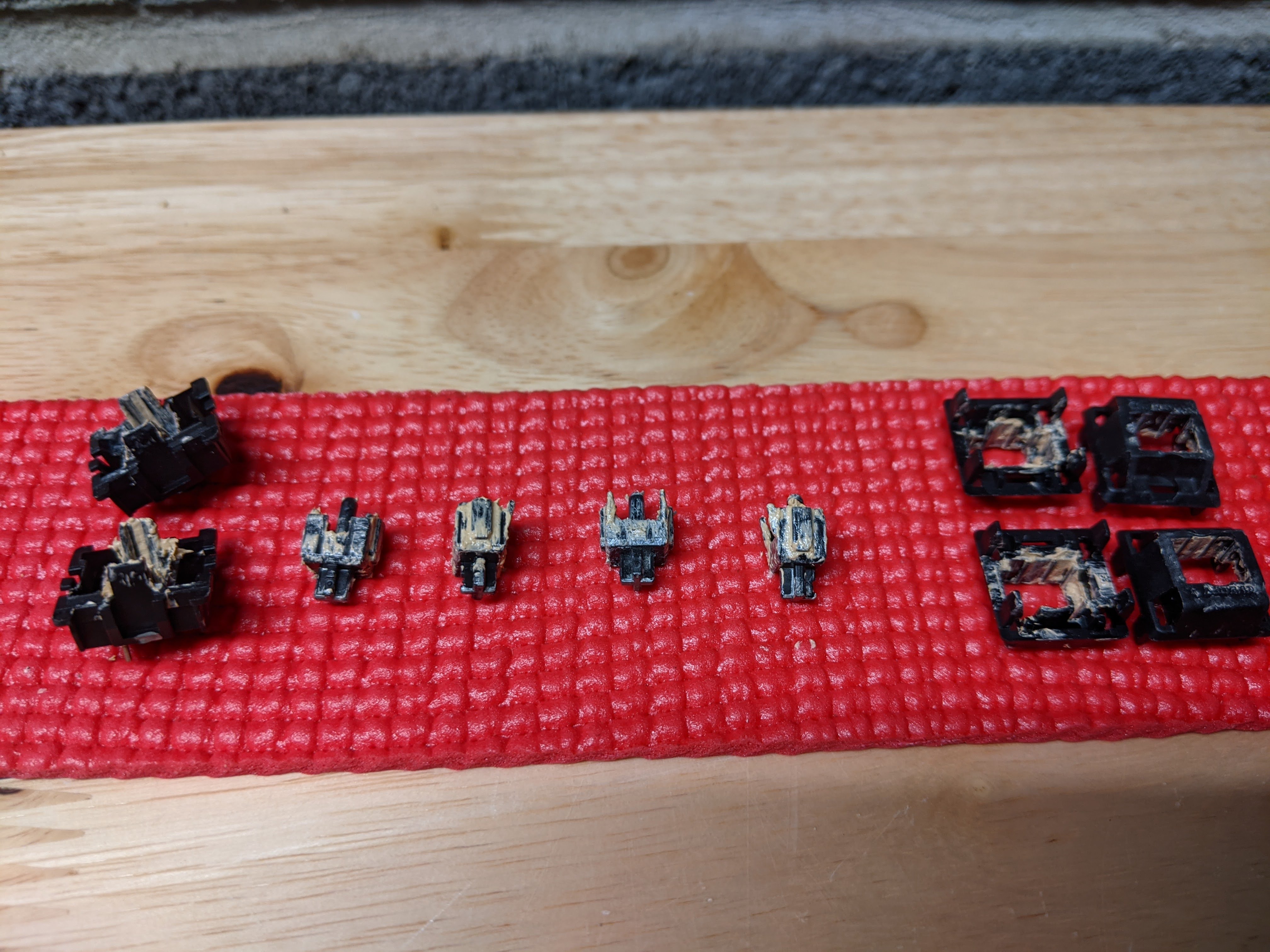
Did get an insight on the wear patterns and friction points in switches. This shows the most angles/surfaces of the switches. Started with them caked up with a lot of diamond paste. After actuating for 90 minutes, the black parts are where the switches rubbed the most. This is good to know in general for lubing practices and maybe future mods outside of this experiment. In retrospect some of this should have been obvious to me but I was so focused on the stem and bottom housing rails I didn’t release how much the top housing had to do with scratchiness.
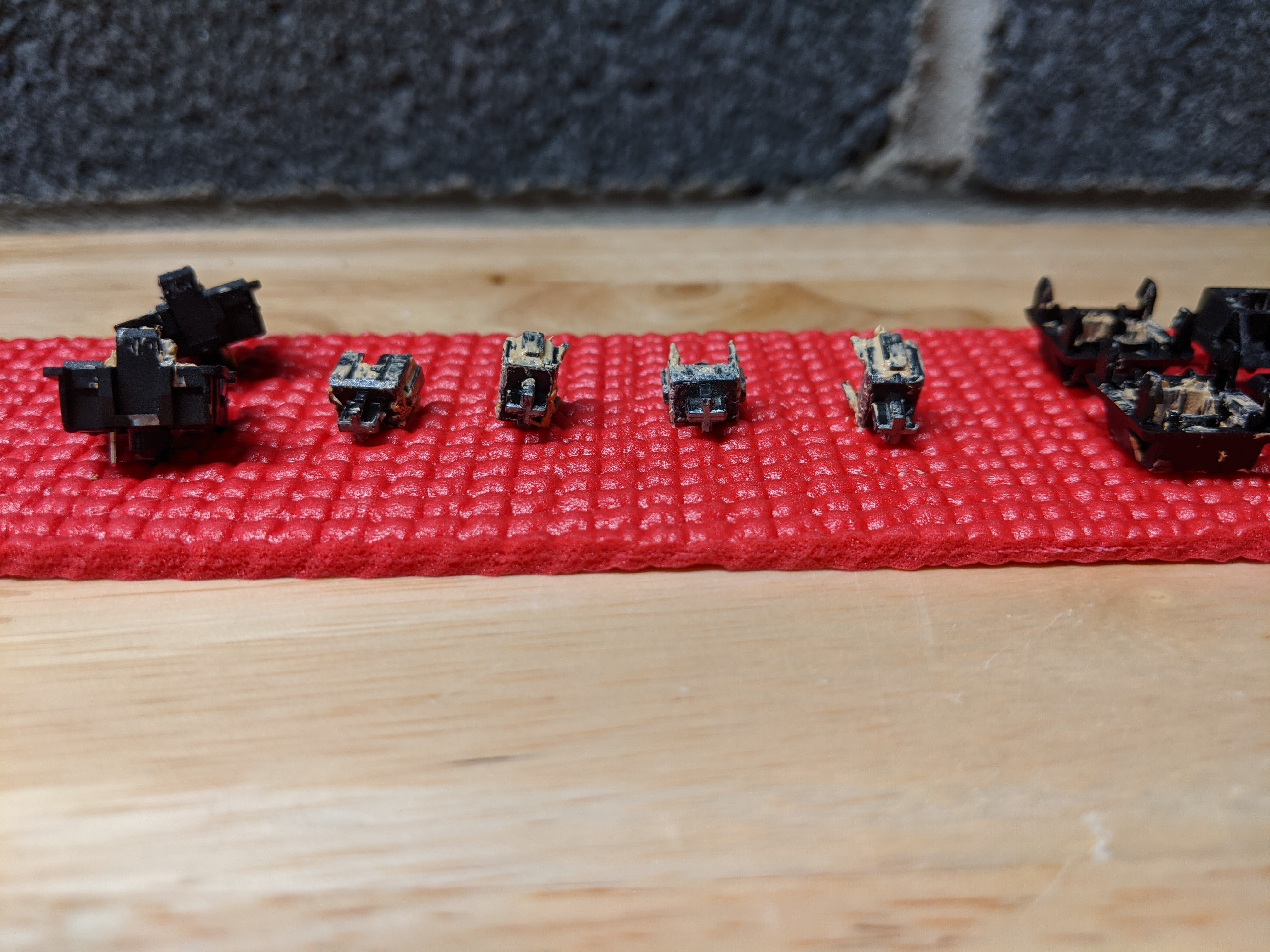
god no! I can’t do that to myself, I will never get back the time/effort/money spent on this. But DonPark and I have a baller set of smooth Cherry MX Black not vintage switches that counts for something right  …
…
I believe this will work for other switches to a point but returns are going to be pretty low. Tried with a Boba U4 switch and yes it is slightly smoother then stock but there is a difference of what can be felt on a keyboard. The best I can equate it to is you have a batch of switches and you try to find the best switches for the stabilizer keys. You would notice it enough the pick out those switches but only if you are really looking for it. I have heard the latest cherry stabilizers are not as smooth as the old ones. This could be a thing to try on them but would be difficult because of the lack of springs in stab vs switches.
So I went a bit to far down the rabbit hole on this one and I am going to take a break. Otherwise I will be making diamond paste with powder to find the best ratio or break down each component to analyze the remaining scratchiness leaf, housing top stem etc).
8 Likes
Thanks for trying and reporting back. Having gone through the drill a few times myself, I know how it feels like grinding rare-drop quests in games.
I think what’s needed to polish switches more easily is diamond slurry, watery solution with diluted diamond powder. Another option is the thinning solution I mentioned earlier in this thread. Even water-based diamond paste cannot be thinned using water. I think it’s like thinner used in oil painting.
Once the right diluted solution is found, one that could be easily applied as well as removed, MK retailers could stock diluted solutions in small bottles. Ideal solution would be applied in a bag, like bag lubing, then water-cleaned. So the search continues. Maybe that’s why it’s called re-search? kek
7 Likes
Status report on my 60% with polished blacks:
First couple of days – Around a handful of switches had sporadic key registration issues. Half of those were fixed with a few drops of isopropyl alcohol over contact point and drying. The rest I had to remove the leaves and contact points cleaned using isopropyl alcohol soaked Q-tip. Not a big deal. Just a hassle to be aware of for fellow travellers on this tinker country road.
Rest of the week – Polished blacks in-use are great. They are as smooth as recent JWK linears but feels and sounds more solid and satisfying. They seem a bit more wobbly than filmed Cream but hot-swap and plate fit differences make comparison meaningless. If I had to choose between this and NK Dry I had on this board, polished blacks will win no contest. If vintage blacks are like these, I am not surprised they’re treasured by the MK community.
12 Likes