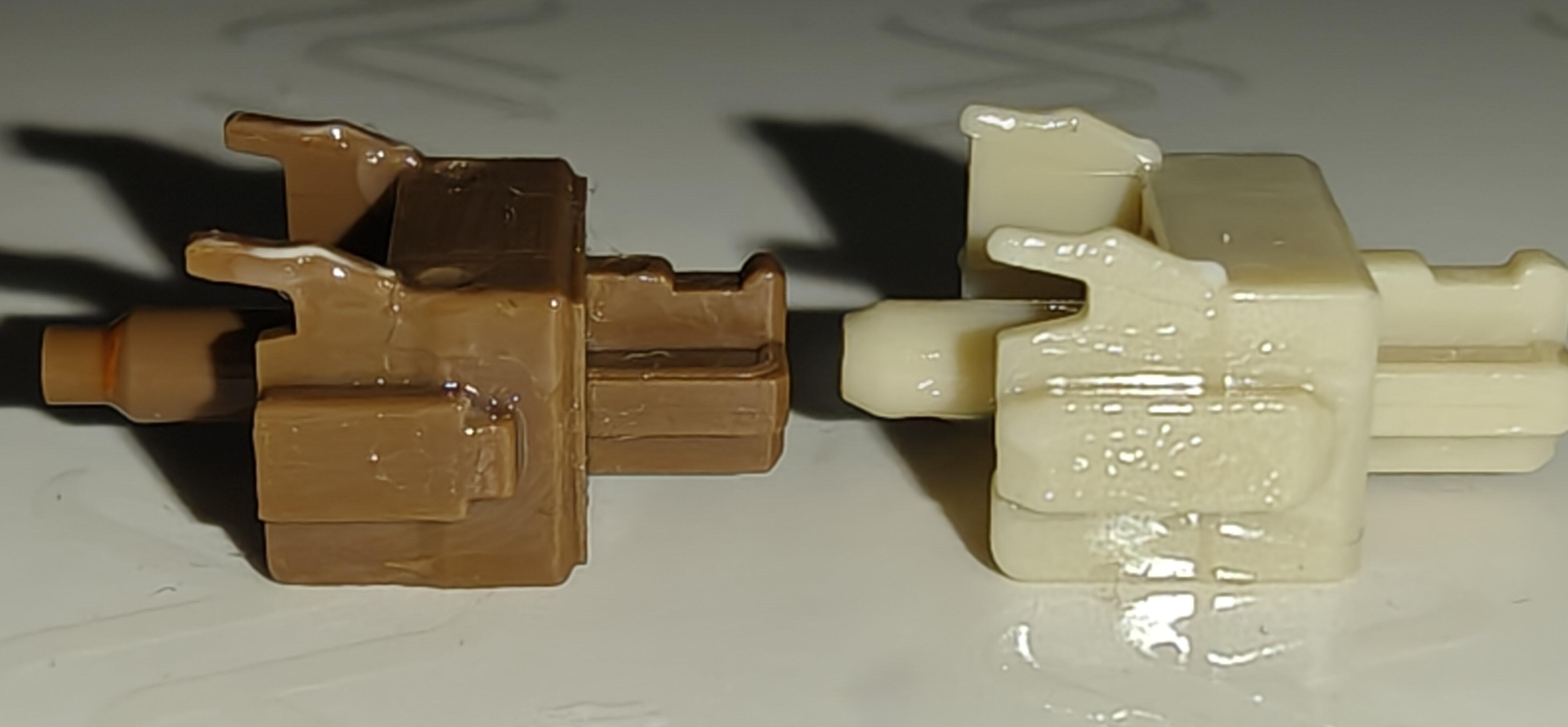
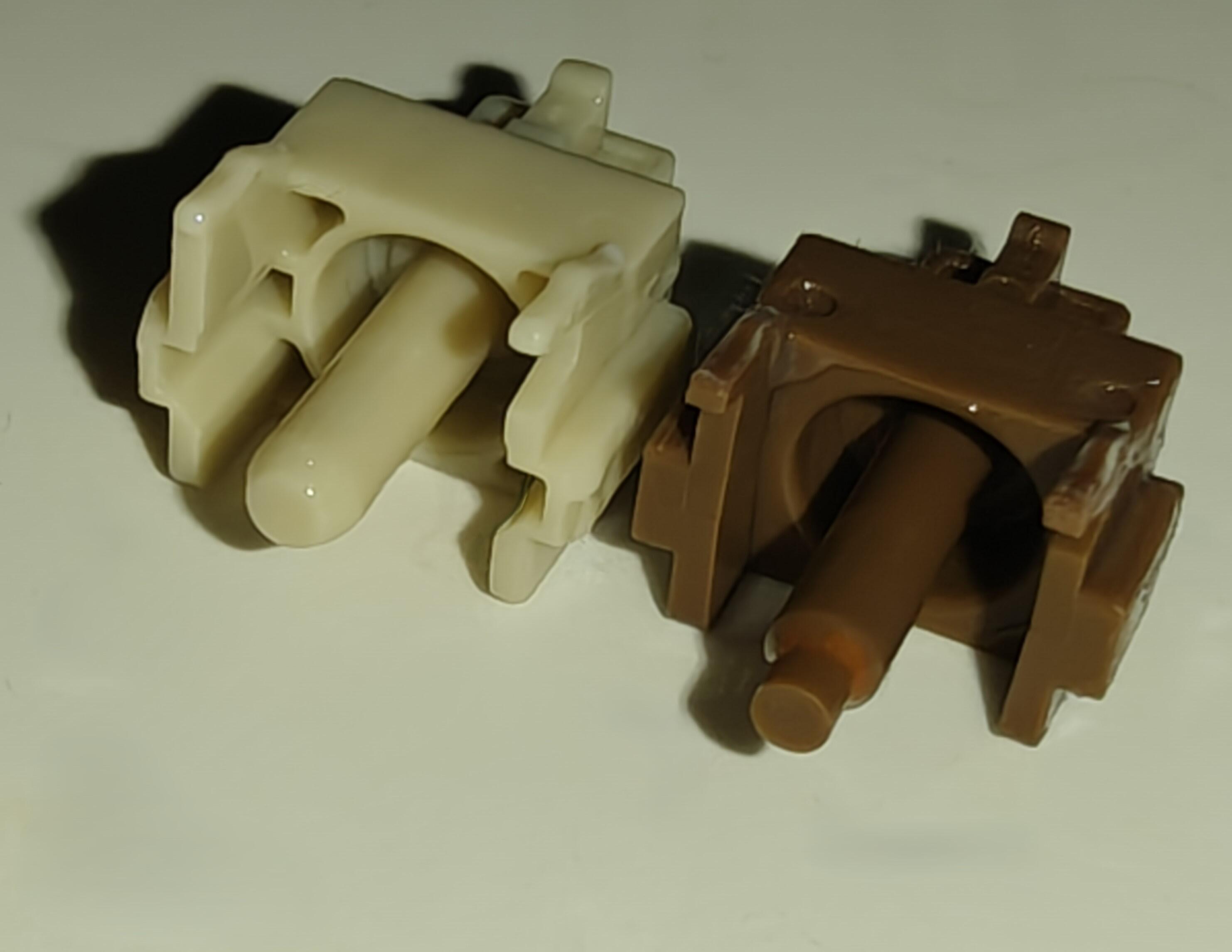
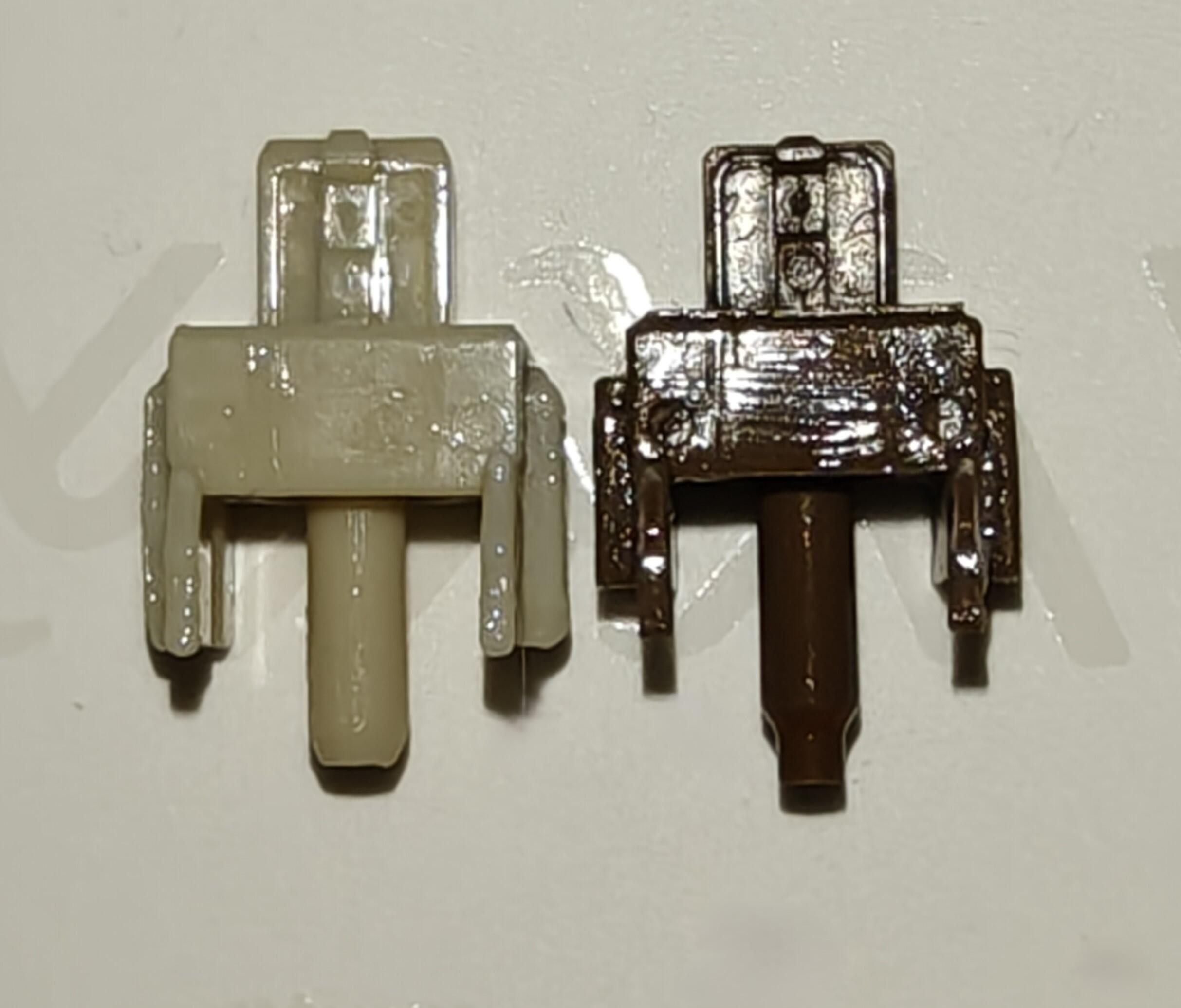
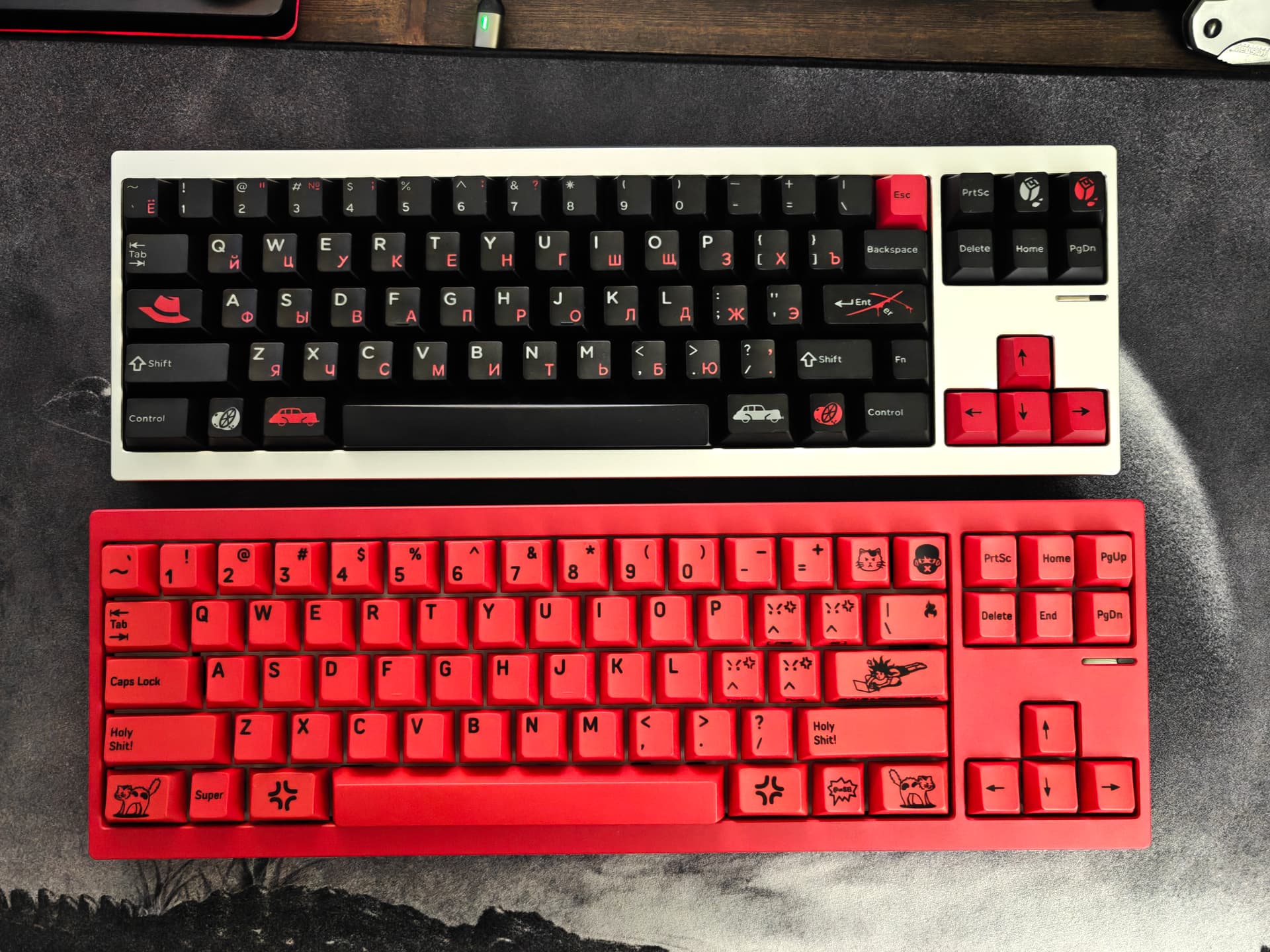
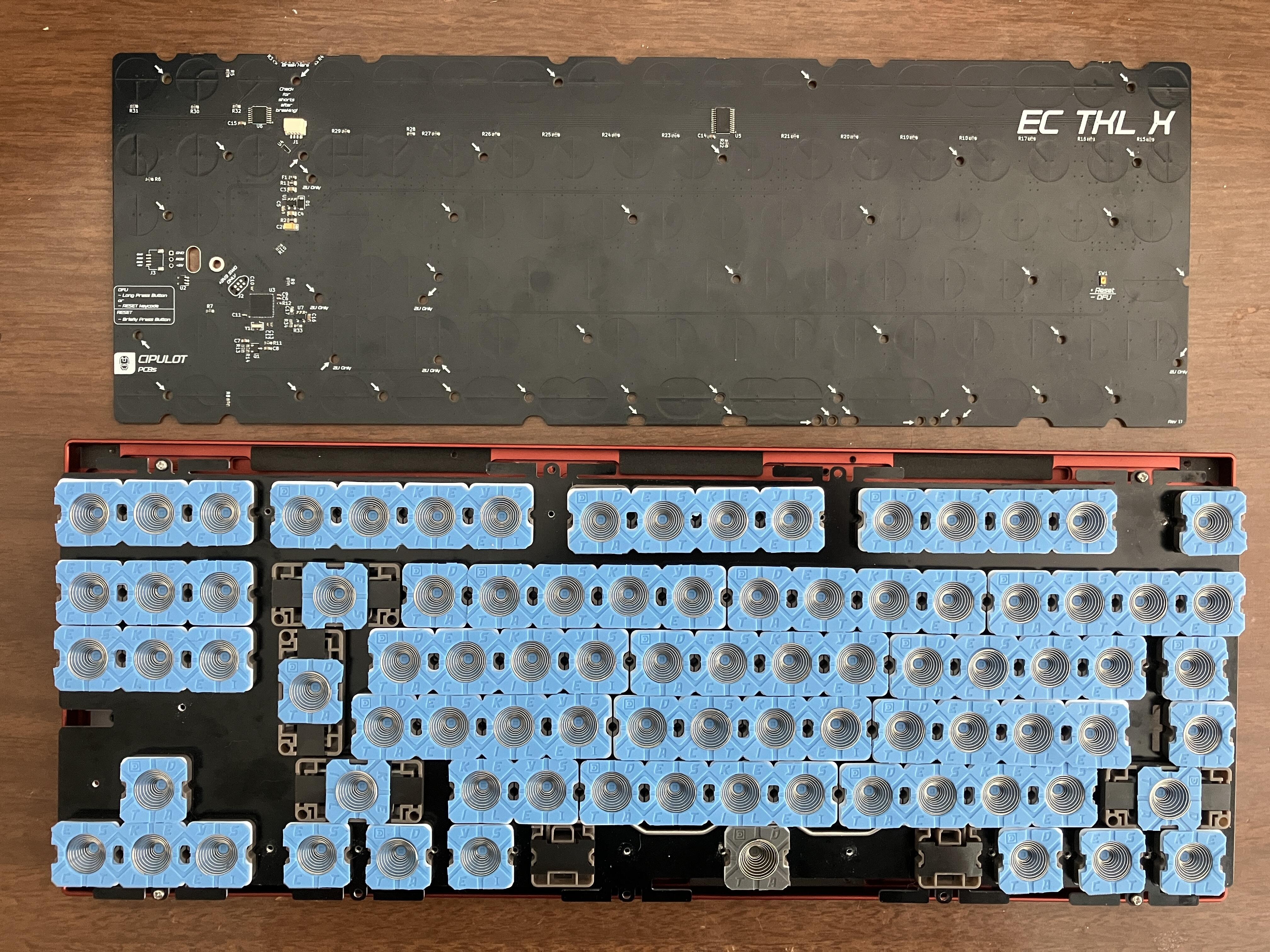
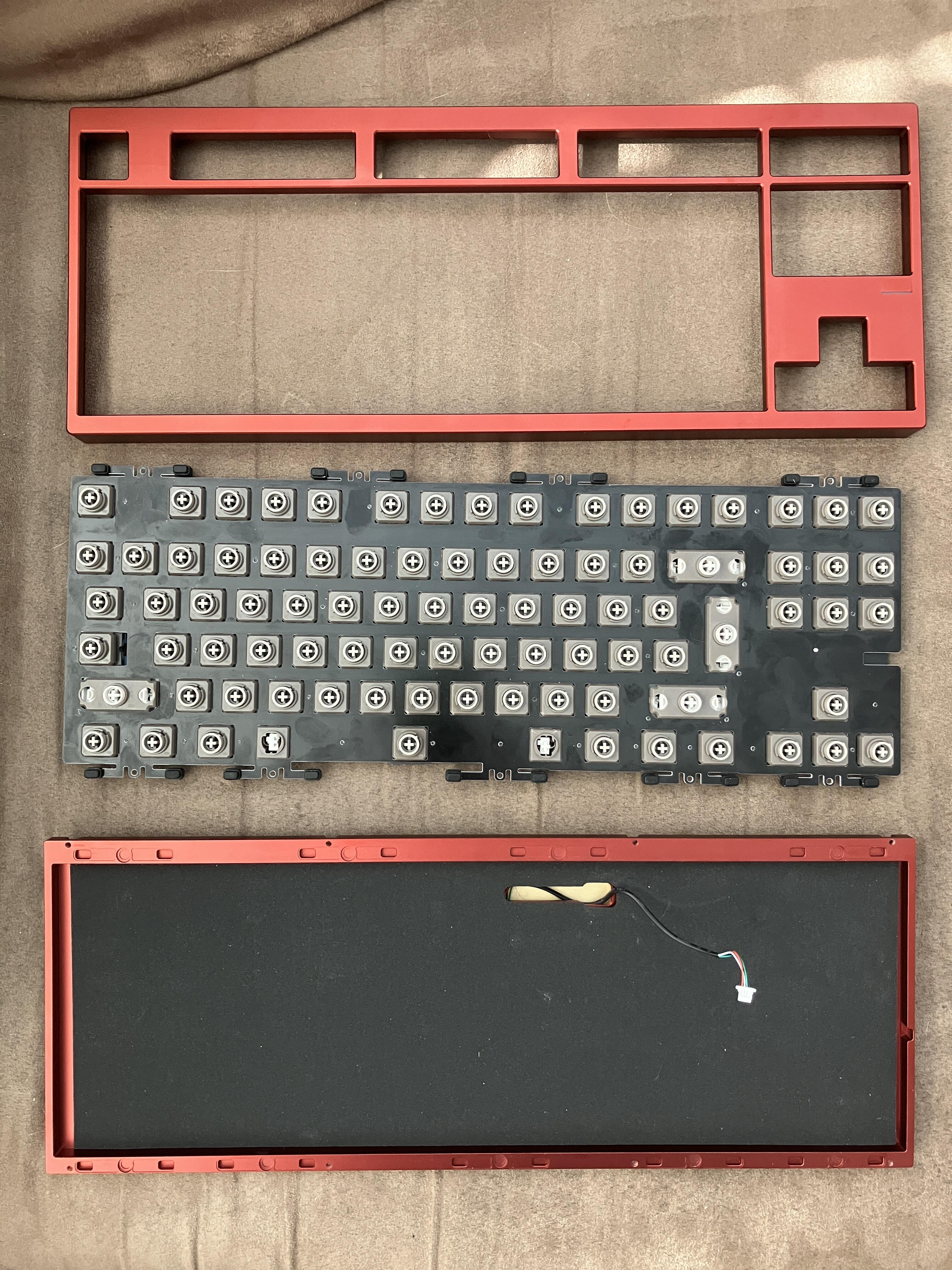
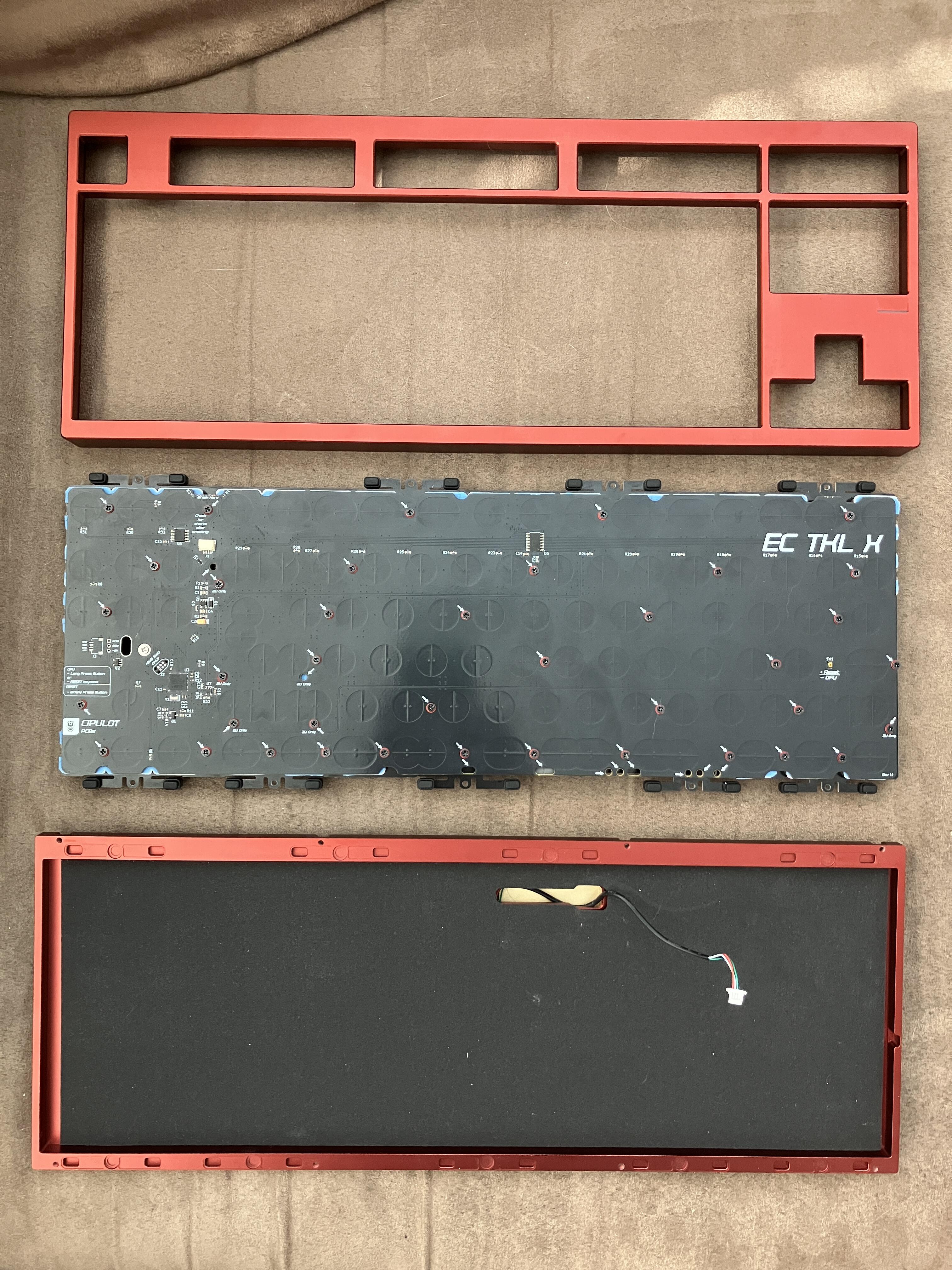
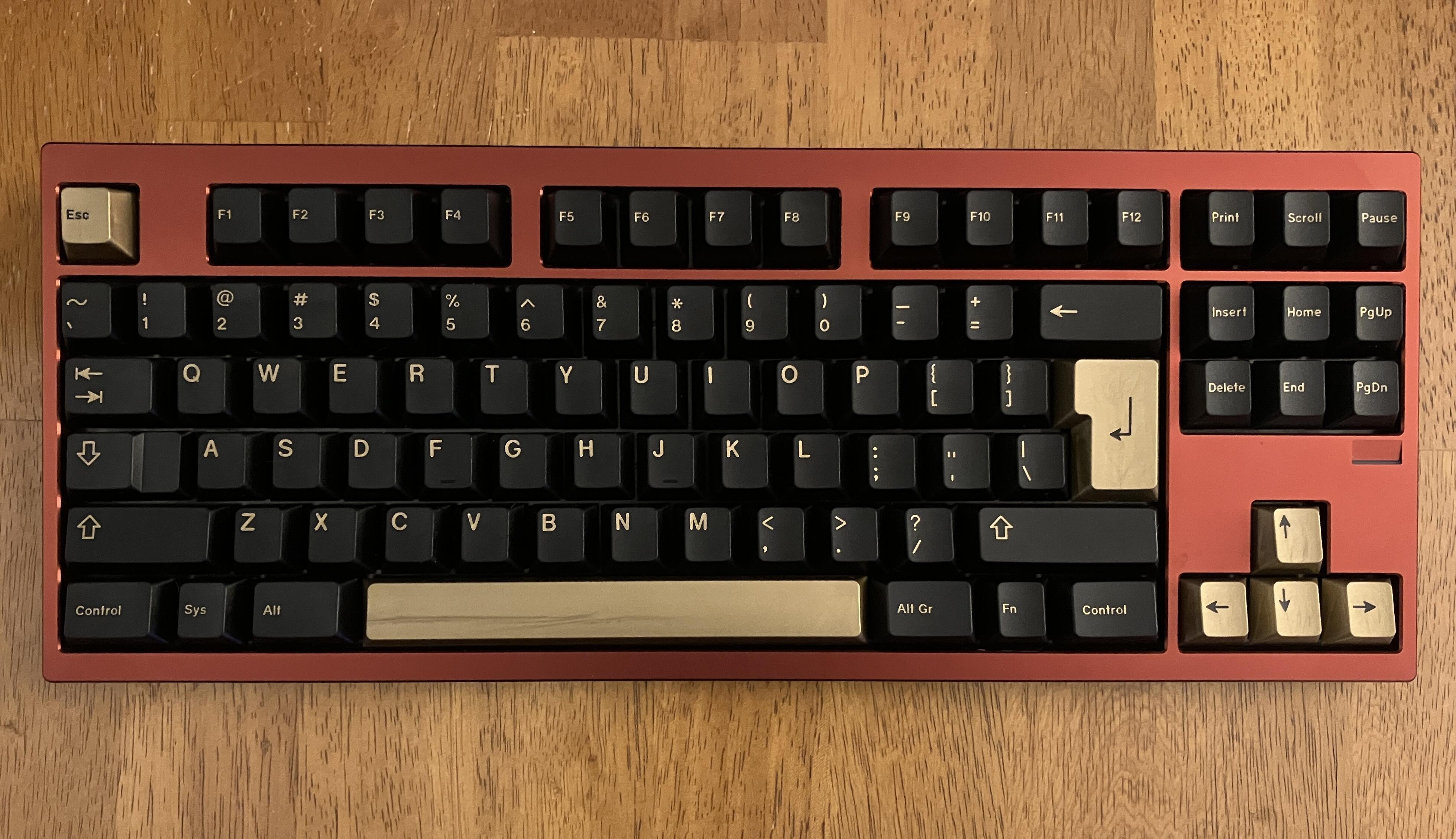
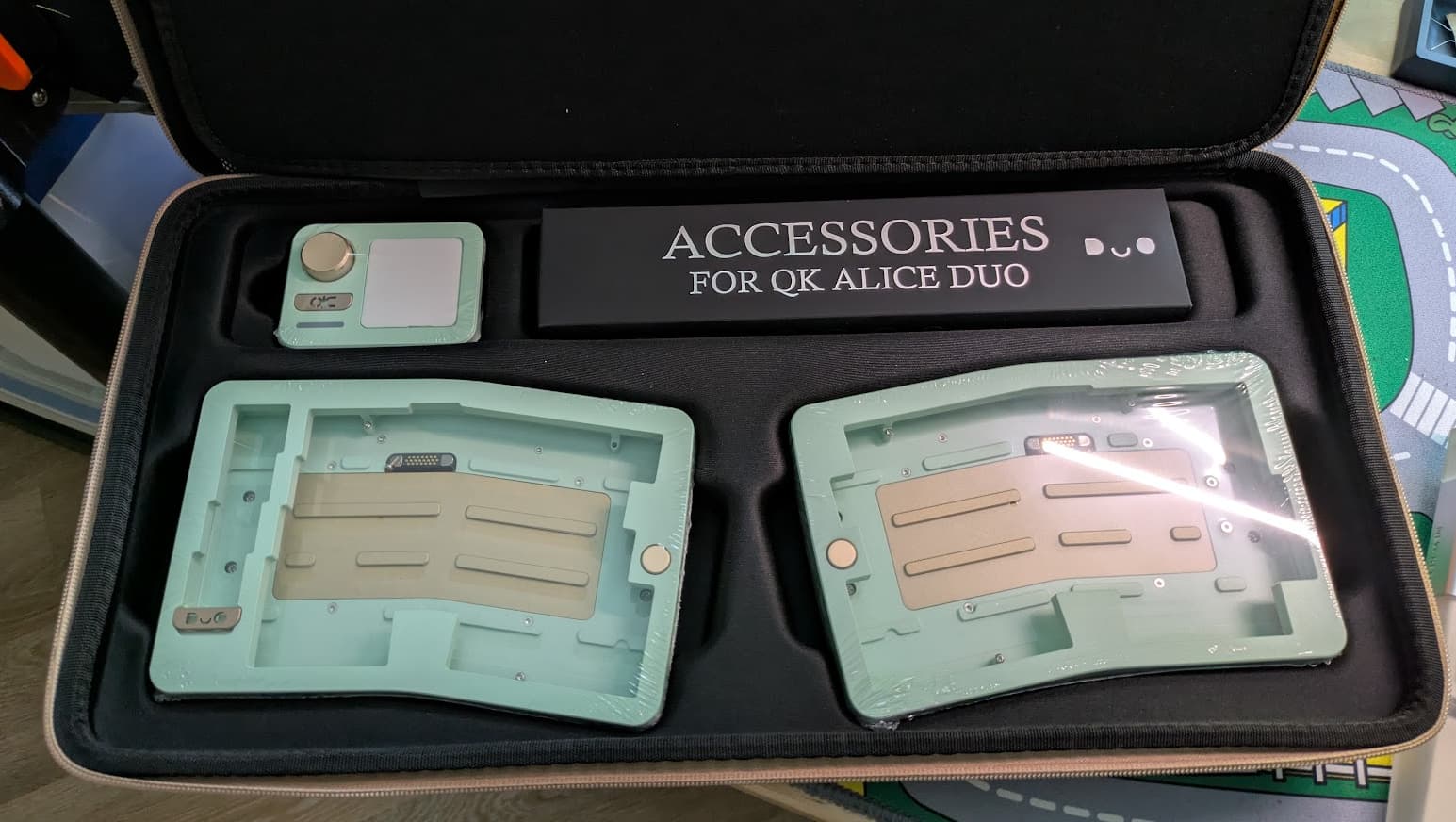
This project is falling squarely into the category of, “I want one of these, but I don’t know if I’ll use it enough to justify retail price, but if I leverage the maker tools I already bought and make it a project then I will feel less guilty if I don’t use it much.” My southpaw, “travel board,” and my early ergo builds would fall into this category, and indeed I don’t use any of them regularly, but they were all fun and interesting to work on.
I think even for a first draft of a fantasy novel, you’re hamstringing yourself if you would normally rely on having online resources at hand. Perhaps the person who really knows the background, real or fictional, of what they’re writing would do well writing a full novel. I think it’s no coincidence that Un Kyu Lee calls his devices Micro Journals, because that’s where I think they could really excel, putting down thoughts, impressions, etc., that really do need to spring forth, if not fully formed, then fully informed by your own interior life. I suppose too that the difference between a writer deck and a cyberdeck is mostly one of software, LOL.
For me, I toyed for several days with running actual MSWord 5.5 (free download!) in DOSBox or even a bare metal emulator, but ultimately this felt like the more flexible and less fiddly option. If I find I do actually use the thing, I may compile the newer version that lives on the author’s github and get text formatting and color in the terminal version to make it really snappy.
Design-wise, I suppose the simplest option is to just screw the Pi onto the back of the monitor and build a box big enough to hold a USB hub and battery pack. I think there’s room to be a little more explicit in evoking old luggables though, and maybe even to get a coiled cable to make something that attaches to the front but isn’t mandatory.
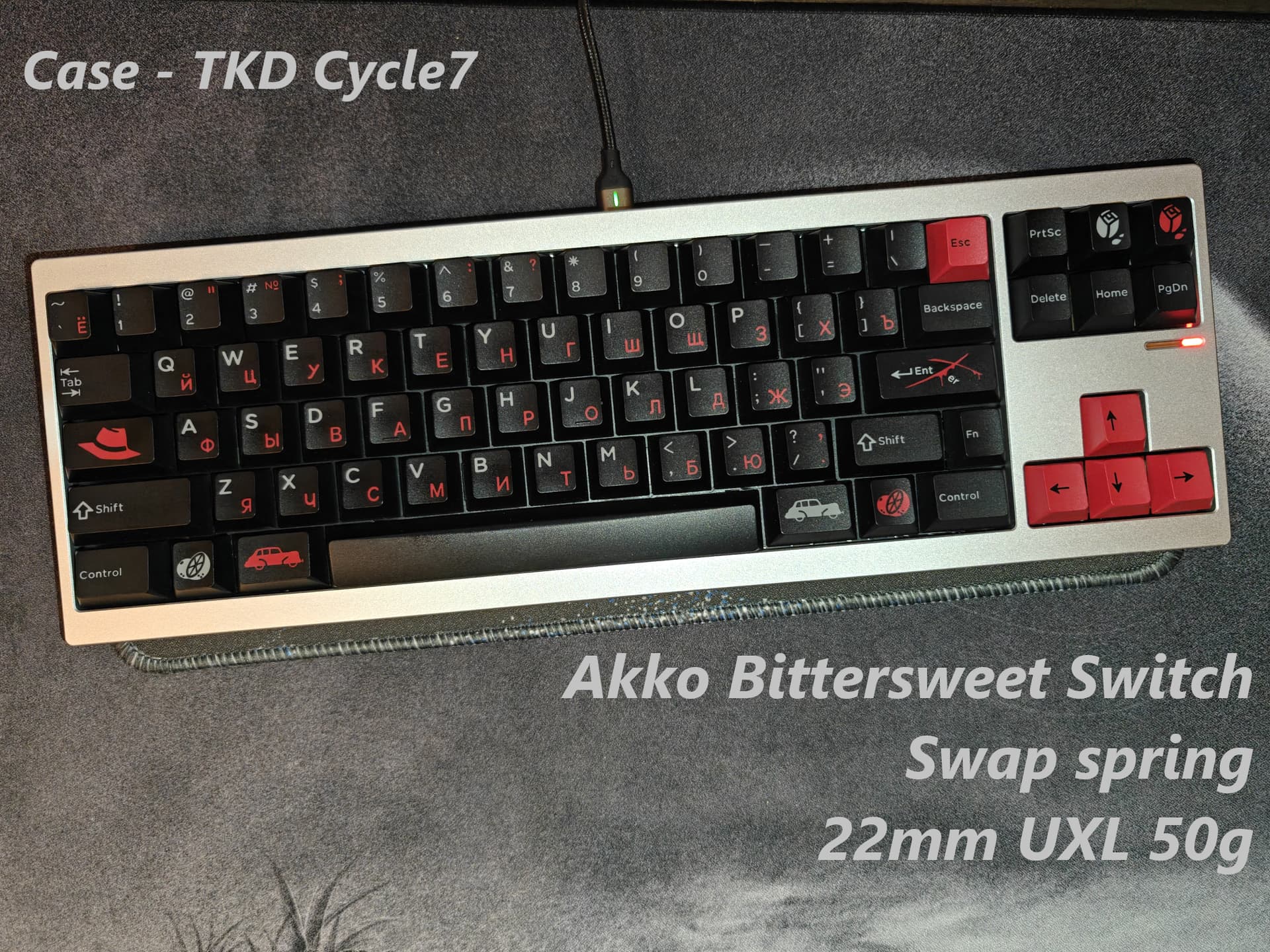
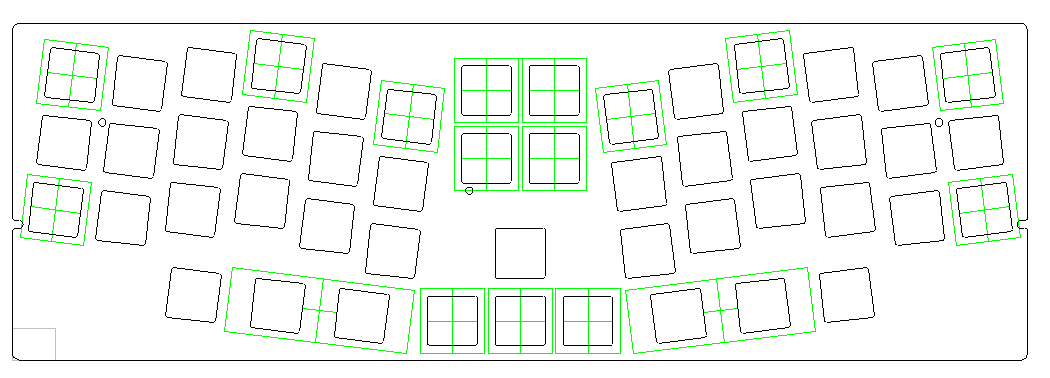
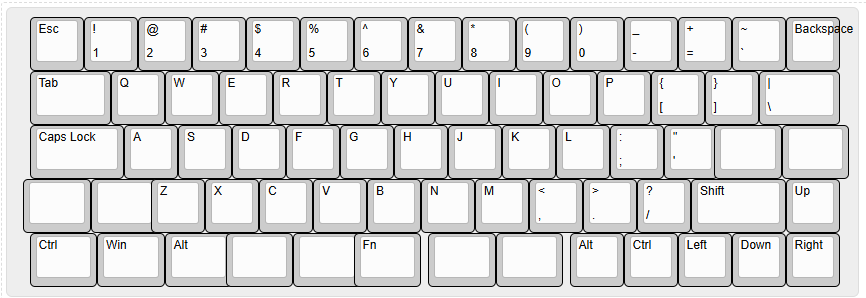
On the other hand, the ginormous battery cavities of early clamshell laptops give you the freedom to make something fairly easy to service, though it certainly brings the keyboard question to the fore since you’re committing to a form factor (60% most likely), if not an exact layout.